Fall Recipes for Nerve Health: 5 Nourishing Meals to Support Your Body This Season 🍂
Blue Ridge Acupuncture & Integrative Health | Watauga County, North Carolina
As the temperatures cool and the leaves begin to change across the Blue Ridge Mountains, fall is the perfect time to bring warm, nourishing meals back into your routine. From roasted seasonal vegetables to comforting soups and hearty dinners, autumn offers plenty of delicious ways to nourish your body.
But did you know that nutrition can also play an important role in nerve health?
Peripheral neuropathy is a condition involving damage or dysfunction of nerves outside the brain and spinal cord. It can cause symptoms such as tingling, numbness, burning sensations, pain, or weakness, often in the hands and feet. There are many possible causes, including diabetes, certain vitamin deficiencies, medications, and other medical conditions.
Although no particular food can cure neuropathy, a balanced diet can help support overall health and address certain nutritional needs. For example, adequate vitamin B12 is essential for normal nerve function, while protein, healthy fats, and a variety of colorful vegetables help provide nutrients your body needs.
At Blue Ridge Acupuncture & Integrative Health, we believe in taking a whole-person approach to wellness. That means looking beyond individual symptoms and recognizing how nutrition, daily habits, and personalized healthcare can work together to support your well-being.
This fall, we’re sharing five comforting recipes featuring nutrient-rich ingredients to help you build nourishing habits throughout the season.
🌿 Understanding the Connection Between Nutrition and Nerve Health
Your nervous system relies on several essential nutrients to function properly. While nutrition alone cannot address every cause of neuropathy, eating a varied, balanced diet can help support your body’s needs.
Here are a few nutrients worth knowing about:
- Vitamin B12: Essential for normal nerve function. Low levels can cause neurological symptoms, including numbness and tingling. Sources include fish, eggs, dairy products, meat, and fortified foods.
- Vitamin B1 (thiamine): Helps your body convert food into energy and supports normal nervous system function. Whole grains, legumes, seeds, and pork are sources.
- Folate: Plays a role in cell growth and normal nervous system function. Leafy greens, beans, and asparagus provide folate.
- Healthy fats: Unsaturated fats from olive oil, nuts, seeds, and fish can be part of a balanced, heart-healthy eating pattern.
- Protein: Provides amino acids needed to maintain and repair tissues throughout the body.
- Colorful vegetables and fruits: Supply fiber, vitamins, minerals, and beneficial plant compounds that contribute to overall health.
One important note: more vitamins are not always better. Excess vitamin B6 from supplements can itself cause nerve damage. If you have neuropathy, speak with your healthcare professional before starting high-dose vitamins or supplements.
With that in mind, let’s explore some simple fall recipes that make nourishing ingredients the star of the plate.
🥣 Recipe #1: Creamy Butternut Squash and White Bean Soup
When the weather turns chilly, a warm bowl of soup is hard to beat. This butternut squash and white bean soup combines seasonal vegetables with plant-based protein and fiber for a satisfying lunch or dinner.
Butternut squash provides beta-carotene, while white beans contribute protein, folate, and other important nutrients.
Ingredients
- 1 medium butternut squash, peeled and cubed
- 1 can (15 ounces) cannellini beans, rinsed and drained
- 1 small onion, chopped
- 2 cloves garlic, minced
- 3 cups low-sodium vegetable broth
- 1 tablespoon extra-virgin olive oil
- ½ teaspoon dried thyme
- ½ teaspoon dried sage
- Black pepper to taste
- Optional: fresh parsley and pumpkin seeds for garnish
Instructions
- Heat the olive oil in a large pot over medium heat.
- Add the onion and cook for 4–5 minutes until softened. Stir in the garlic.
- Add the cubed squash, vegetable broth, thyme, sage, and black pepper.
- Bring to a boil, then reduce the heat and simmer for 20–25 minutes, until the squash is tender.
- Stir in the cannellini beans and cook for another 5 minutes.
- Blend part or all of the soup until it reaches your preferred consistency, taking care when blending hot liquids.
- Serve warm with fresh parsley or pumpkin seeds.
Why we love it: This recipe combines vegetables and legumes in a comforting, nutrient-rich meal. The beans contribute protein and folate, while the squash provides fiber and beta-carotene.
Wellness tip: If you need a more substantial meal, serve the soup with grilled chicken, a boiled egg, or whole-grain toast.
🥗 Recipe #2: Warm Kale, Sweet Potato, and Salmon Bowl
This colorful bowl combines several ingredients that fit into a balanced eating pattern: leafy greens, roasted sweet potatoes, whole grains, and salmon.
Salmon provides protein and omega-3 fatty acids, while kale and sweet potatoes contribute a range of vitamins and minerals. Quinoa adds fiber and additional plant-based protein.
Ingredients
- 2 salmon fillets
- 1 medium sweet potato, cubed
- 2 cups chopped kale
- 1 cup cooked quinoa
- 1 tablespoon olive oil, divided
- Juice of ½ lemon
- ½ teaspoon garlic powder
- Black pepper to taste
- Optional: 1 tablespoon pumpkin seeds
Instructions
- Preheat the oven to 400°F.
- Toss the sweet potato with half the olive oil and the garlic powder. Roast for 20–25 minutes, until tender.
- Season the salmon with black pepper and a little lemon juice. Bake until it reaches an internal temperature of 145°F.
- Massage the kale with the remaining olive oil and lemon juice to soften it slightly.
- Divide the cooked quinoa, kale, and roasted sweet potato between two bowls.
- Add the salmon and sprinkle with pumpkin seeds, if desired.
Why we love it: Salmon provides protein and omega-3 fatty acids, while kale and sweet potatoes add important micronutrients. This balanced meal can help you meet your nutritional needs as part of an overall healthy eating pattern.
Wellness tip: If you have diabetes, which is a common cause of peripheral neuropathy, balanced meals with fiber-rich carbohydrates, protein, and healthy fats can help support blood sugar management. Individual needs vary, so follow your healthcare team’s dietary recommendations.
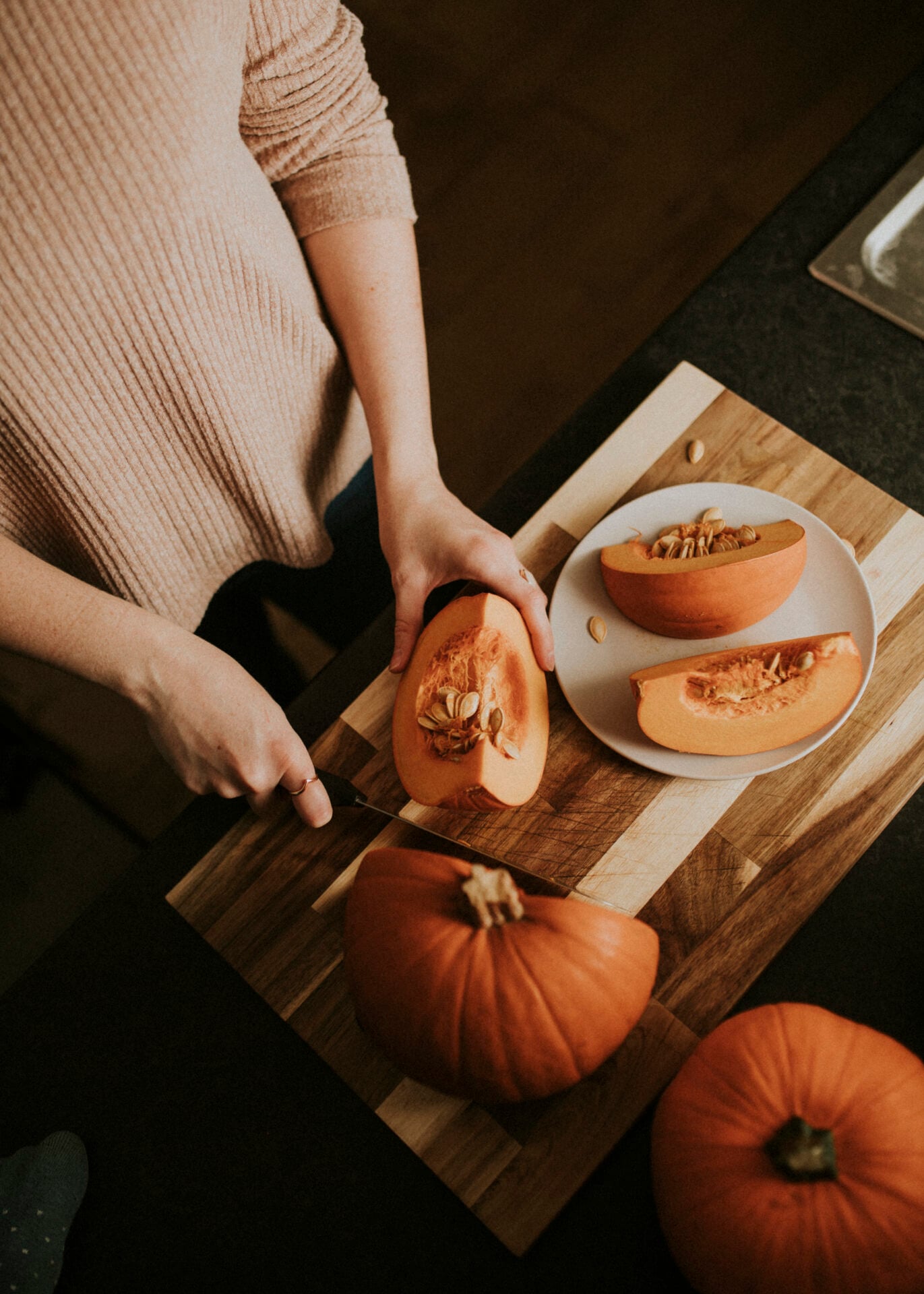
🎃 Recipe #3: Roasted Pumpkin Seeds for a Nourishing Snack
Don’t throw away those pumpkin seeds after carving your fall pumpkins! With a little olive oil and a few seasonings, you can transform them into a crunchy snack that’s easy to prepare and enjoy throughout the week.
Pumpkin seeds contain magnesium, zinc, protein, and unsaturated fats. These nutrients contribute to normal body functions, including processes involved in nerve and muscle function.
Ingredients
- 1 cup raw pumpkin seeds, cleaned and dried
- 1 teaspoon olive oil
- ½ teaspoon dried rosemary
- ¼ teaspoon garlic powder
- Pinch of salt
- Black pepper to taste
Instructions
- Preheat the oven to 325°F.
- Clean the pumpkin seeds, removing any remaining pulp, and pat them dry.
- Toss the seeds with olive oil, rosemary, garlic powder, salt, and pepper.
- Spread them in a single layer on a baking sheet.
- Roast for 20–30 minutes, stirring occasionally, until lightly golden and crisp.
- Allow the seeds to cool completely before storing in an airtight container.
Why we love it: Pumpkin seeds provide magnesium and zinc, along with protein and unsaturated fats, making them a nutrient-rich alternative to many heavily processed snacks.
Wellness tip: Sprinkle a small handful over salads, soups, or roasted vegetables for extra crunch. If you have difficulty chewing or swallowing, choose a safer texture that meets your needs.
🍎 Recipe #4: Cinnamon Baked Apples with Walnuts
Fall is the season for apples, cinnamon, and warm desserts. These baked apples are naturally sweet, easy to prepare, and made with simple whole-food ingredients.
Apples provide fiber, while walnuts contribute unsaturated fats and the plant-based omega-3 fatty acid ALA.
Ingredients
- 4 apples, halved and cored
- 2 tablespoons chopped walnuts
- 2 tablespoons rolled oats
- 1 teaspoon cinnamon
- ¼ cup water
- 1 teaspoon maple syrup, optional
Instructions
- Preheat the oven to 350°F.
- Arrange the apple halves in a baking dish.
- Mix the oats, walnuts, and cinnamon, then spoon the mixture over the apples.
- Add the water to the bottom of the dish.
- Bake for 25–35 minutes, until the apples are tender.
- Add a light drizzle of maple syrup if desired, and serve warm.
Why we love it: This recipe offers fiber and healthy fats in a comforting fall dessert without requiring much added sugar.
Wellness tip: Pair a baked apple with plain Greek yogurt for additional protein and a more satisfying snack.
🥬 Recipe #5: Garlic-Rosemary Chicken with Brussels Sprouts
Looking for an easy weeknight dinner? This roasted chicken and vegetable recipe is a simple way to bring protein and seasonal produce to your table.
Chicken supplies protein and vitamin B6, which is involved in normal nervous system function. Brussels sprouts and carrots add fiber and a variety of vitamins and beneficial plant compounds.
Ingredients
- 2 boneless, skinless chicken breasts
- 2 cups Brussels sprouts, halved
- 2 carrots, sliced
- 2 tablespoons olive oil, divided
- 2 cloves garlic, minced
- 1 teaspoon dried rosemary
- ½ teaspoon paprika
- Black pepper to taste
- Lemon wedges for serving
Instructions
- Preheat the oven to 400°F.
- Place the Brussels sprouts and carrots on a baking sheet. Toss with 1 tablespoon olive oil and black pepper.
- Rub the chicken with the remaining olive oil, garlic, rosemary, and paprika.
- Arrange the chicken on the baking sheet, leaving space between the pieces and vegetables.
- Roast until the vegetables are tender and the chicken reaches an internal temperature of 165°F. Depending on thickness, the chicken may need around 20–30 minutes.
- Let the chicken rest briefly before slicing and serving with the roasted vegetables and lemon wedges.
Why we love it: Chicken provides protein and B vitamins, while the vegetables contribute fiber and micronutrients. This recipe makes a satisfying meal with minimal preparation.
Wellness tip: Rotate your protein choices throughout the week. Fish, eggs, beans, lentils, tofu, and poultry can all contribute to a varied diet.
💙 5 Everyday Habits That Can Support Nerve Health
Healthy recipes are a great place to start, but caring for your nervous system involves more than what you eat. Your symptoms, medical history, and underlying cause all matter.
Here are five habits worth discussing with your healthcare professional.
1. Eat a Balanced, Varied Diet
Include a range of vegetables, fruits, whole grains, protein sources, and healthy fats. If you have a restrictive diet or concerns about nutrient deficiencies, ask whether a nutritional assessment is appropriate.
2. Pay Attention to Blood Sugar
Diabetes is a common cause of peripheral neuropathy. If you have diabetes or elevated blood sugar, follow your healthcare team’s recommendations for monitoring and management. Consistent meals and appropriate physical activity can be important parts of that plan.
3. Check for Possible Nutrient Deficiencies
Vitamin B12 deficiency can cause nerve symptoms and is sometimes treatable when identified. Other nutritional problems can also affect the nervous system.
If you experience persistent tingling, numbness, burning, or weakness, consult a healthcare professional to help identify the cause rather than trying to treat the symptoms with supplements alone.
Avoid high-dose vitamin B6 supplements unless specifically recommended and monitored by a qualified professional, as excess B6 can cause neuropathy.
4. Choose Movement That Fits Your Abilities
Gentle movement, such as walking or appropriately adapted exercise, can support general health. If neuropathy affects balance or sensation in your feet, ask your healthcare professional about safe activities and fall prevention.
Wear well-fitting shoes and check your feet regularly if you have reduced sensation.
5. Make Time for Rest and Stress Management
Stress management and restful sleep are important parts of overall well-being. Consider gentle breathing exercises, relaxing routines, or time outdoors when appropriate.
These habits may help you manage day-to-day well-being, but they do not replace evaluation or treatment for the underlying cause of neuropathy.
🌿 How Integrative Care May Fit Into Your Wellness Journey
At Blue Ridge Acupuncture & Integrative Health, we recognize that health concerns can affect many areas of daily life. Our approach emphasizes compassionate care, individualized attention, and consideration of the whole person.
For people experiencing neuropathy, identifying the underlying cause is an important first step. Treatment depends on that cause and may include addressing nutritional deficiencies, managing diabetes, reviewing medications with a prescriber, or treating other contributing conditions.
Acupuncture may help some people manage certain types of pain, but evidence for acupuncture specifically treating peripheral neuropathy is mixed and depends on the cause and outcome being studied. It should not be considered a cure for nerve damage or a substitute for appropriate medical evaluation.
If you’re exploring integrative approaches, we encourage you to discuss your symptoms and goals with qualified healthcare professionals who can help you understand appropriate options.
Please seek prompt medical attention for new or rapidly worsening weakness, sudden numbness, difficulty walking, or other sudden neurological changes. These symptoms may require urgent evaluation.
🍂 Supporting Our High Country Community Through Whole-Person Wellness
Proudly located in Watauga County, North Carolina, Blue Ridge Acupuncture & Integrative Health is committed to empowering our community through health, wellness, and compassionate care.
We proudly serve individuals and families throughout Ashe, Catawba, Caldwell, Wilkes, Avery, and beyond.
Whether you’re looking to develop healthier daily habits, learn more about integrative care, or explore options for supporting your overall well-being, we’re here to help you take informed steps toward your health goals.
We believe that education, thoughtful care, and personalized attention can help people feel more confident as they navigate their wellness journeys.
💚 Nourish Your Body This Fall
Supporting your health doesn’t have to involve drastic changes. Start with a warm bowl of soup, a balanced dinner, or a handful of homemade pumpkin seeds. Small, consistent choices can help you build a nourishing routine that fits your life.
If you or someone you love is experiencing symptoms of neuropathy, remember that nutrition is one part of the picture. Understanding the underlying cause and working with qualified healthcare professionals are essential steps toward appropriate care.
From all of us at Blue Ridge Acupuncture & Integrative Health, here’s to a fall filled with nourishing meals, compassionate care, and a renewed focus on your well-being!
Proudly located in Watauga County, serving Ashe, Catawba, Caldwell, Wilkes, Avery, and beyond. Empowering our community through health, wellness, and compassionate care.